Hot Water Extraction vs Dry Carpet Cleaning | Front Range
Hot Water Extraction vs Dry Cleaning — The Front Range Answer
Homeowners often assume "dry cleaning" carpet must be the newer, better technology simply because it sounds more advanced than "hot water extraction." The truth is both are legitimate, IICRC-recognized methods — they just solve different problems, and Colorado's elevation and low humidity change which one makes sense more often than in other parts of the country.
What Hot Water Extraction Actually Does
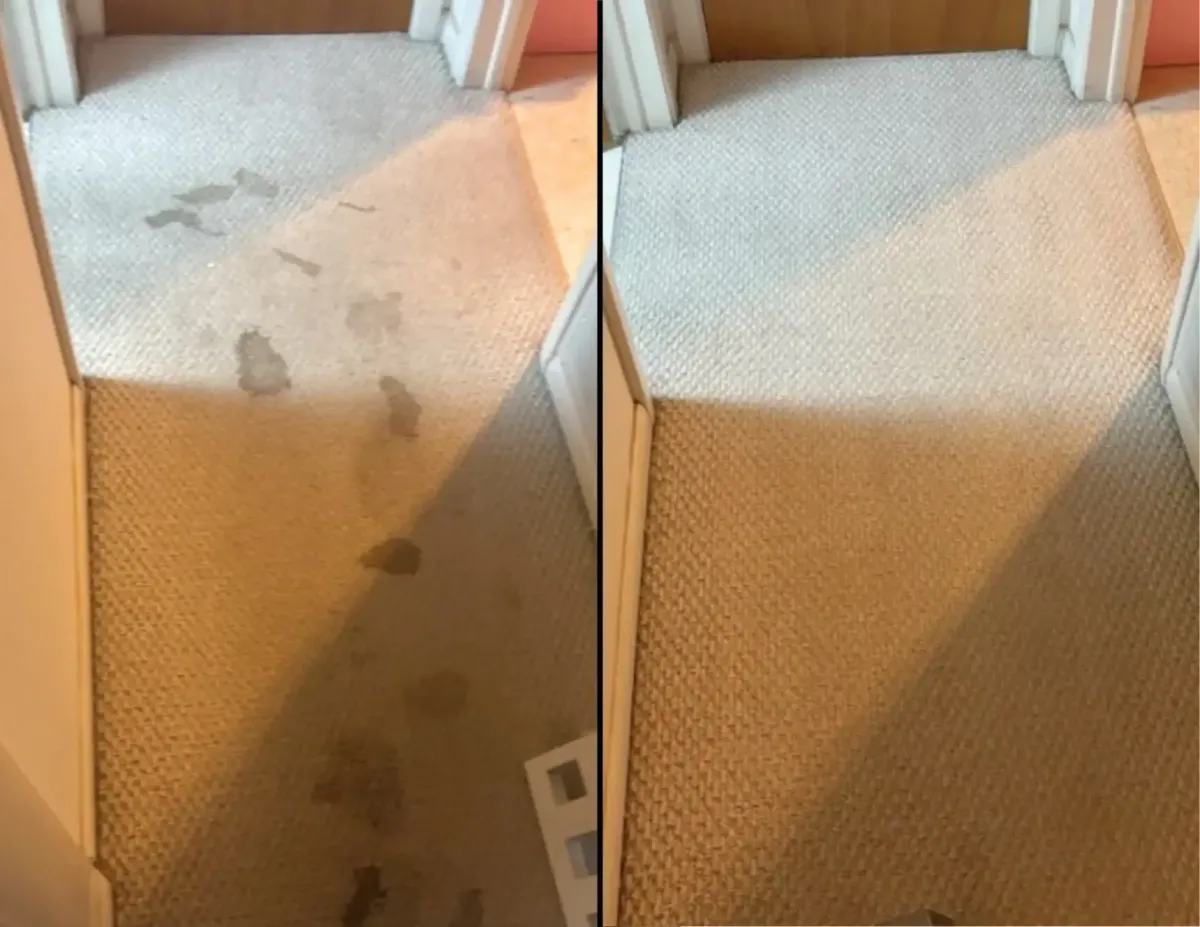
Hot water extraction — sometimes called steam cleaning, though no actual steam is involved — is our primary method and the industry's gold standard under the IICRC S100 standard. Water heated to 200–230°F is forced deep into the carpet fiber under pressure, along with cleaning solution, then immediately extracted back out along with the loosened soil. Done correctly, it removes up to 95% of soil and bacteria from carpet fiber, reaching contamination that sits below the surface — not just what a dry method can lift off the top.
Why Does Temperature Matter So Much?
Heat does real chemical work. It accelerates the breakdown of oils, sugars, and other soil components, and it's hot enough to kill dust mites living in carpet and padding — something a room-temperature dry method simply can't do. That's part of why hot water extraction is the method IICRC certification training is built around as the default professional standard.
What Dry Cleaning Methods Actually Do
![[PHOTO PLACEHOLDER: Comparison of hot water extraction vs dry cleaning method results on Colorado carpet]](https://assets.cdn.filesafe.space/MYF360ivYUNrrmLbTiiA/media/6a1cbab6d7322952d16cd6b0.webp "[PHOTO PLACEHOLDER: Comparison of hot water extraction vs dry cleaning method results on Colorado carpet]")
"Dry" carpet cleaning is a bit of a misnomer — most dry methods use a small amount of moisture, usually in the form of an encapsulating compound or a low-moisture bonnet pad, rather than saturating and fully extracting the way hot water extraction does. The appeal is speed: dry methods typically leave carpet ready to walk on almost immediately, versus several hours of drying time with hot water extraction. The tradeoff is depth — dry methods generally clean the surface and upper fiber layer effectively but don't reach as deep into the pile or padding as full extraction does.
When Does Dry Cleaning Actually Make Sense?
Dry methods are a legitimate choice for light interim maintenance between full cleanings, for commercial spaces that can't tolerate downtime, or for situations where minimizing moisture exposure matters more than maximum soil removal. It's not an inferior method — it's a different tool for a different job.
Why Colorado's Elevation Changes the Math
This is where our service area is genuinely different from most of the country. Denver's elevation and low humidity mean carpet dries significantly faster after hot water extraction here than it would in a humid climate — often within a few hours rather than the 24-plus hours homeowners in more humid regions sometimes report. That shrinks the single biggest drawback of hot water extraction, which is drying time, and it's a major reason hot water extraction remains the dominant, practical choice across our entire service area rather than something homeowners avoid because of downtime.
FactorHot Water ExtractionDry Cleaning MethodsSoil removal depthDeep — fiber, backing, upper paddingSurface and upper fiber onlyDust mite / allergen killYes — 200°F+ heatNo — room temperatureTypical dry time (Colorado elevation)A few hoursNear-immediateIICRC S100 primary methodYesSupplementary / interimBest use caseFull periodic deep cleanLight interim maintenance, low-downtime needs
Color Choice — Does Method Affect How Color Looks Afterward?
Full extraction methods like hot water extraction pull cleaning product completely out of the fiber, which tends to produce the truest, most even color result across the whole carpet. Dry and low-moisture methods can occasionally leave a very slight residue if not applied and worked correctly, which is more noticeable on solid, saturated colors than on mid-tone or patterned carpet. It's one more reason we lean toward patterned or fleck colors as the safer, more forgiving choice regardless of which cleaning method a carpet sees over its lifetime.
Frequently Asked Questions About Hot Water Extraction vs Dry Cleaning
Is dry carpet cleaning actually completely dry?
Not entirely — most "dry" methods use a small, controlled amount of moisture through an encapsulating compound or low-moisture pad, rather than the saturation-and-extraction process of hot water extraction. The name refers to how little moisture is used compared to full extraction, not a completely moisture-free process.
Why don't more companies just use dry cleaning if it dries faster?
Because it doesn't clean as deeply. Dry methods are effective for light surface maintenance but don't reach embedded soil, allergens, or contamination in the backing and padding the way hot water extraction does. For a full periodic deep clean, especially with pets or heavy traffic, hot water extraction produces a more thorough result.
Does Colorado's elevation actually make a measurable difference in dry time?
Yes. Lower atmospheric pressure and lower ambient humidity at elevation both accelerate evaporation, which is why hot water extraction dry times here tend to run several hours rather than the full day or more sometimes reported in humid climates. It's a genuine regional advantage that reduces the main downside of the more thorough method.
Serving the Front Range With the Right Method for the Job
Elevation varies meaningfully across our service area — Monument and Elizabeth sit at the highest elevations we serve, and the driest, fastest-drying conditions of anywhere on our route are up there, while lower-elevation cities like Denver and Aurora still dry noticeably faster than a humid-climate city would. Regardless of elevation, hot water extraction remains our default recommendation for a full clean because of the depth of soil and allergen removal it provides — the Colorado dry-time advantage just makes that recommendation an easier one to make.
Call or text (720) 730-8055 for a free assessment, or book online at coloradochoicecarpet.com.
Serving the Front Range:Castle Rock | Highlands Ranch | Castle Pines | Lone Tree | Centennial | Littleton | Parker | Franktown | Sedalia | Larkspur | Monument | Lakewood | Morrison | Wheat Ridge | Arvada | Broomfield | Westminster | Aurora | Englewood | Thornton | Elizabeth | Denver
